Daphne's Doggy Daycare logoDaphne'sDoggy DaycareSnellville, GA
Dog Science

Canine Body Language

Dogs communicate constantly with their bodies. Learning a few common signals helps you notice when your dog is relaxed, playful, worried or needs a break.

Signals work like words in a sentence: they make sense together, not alone.
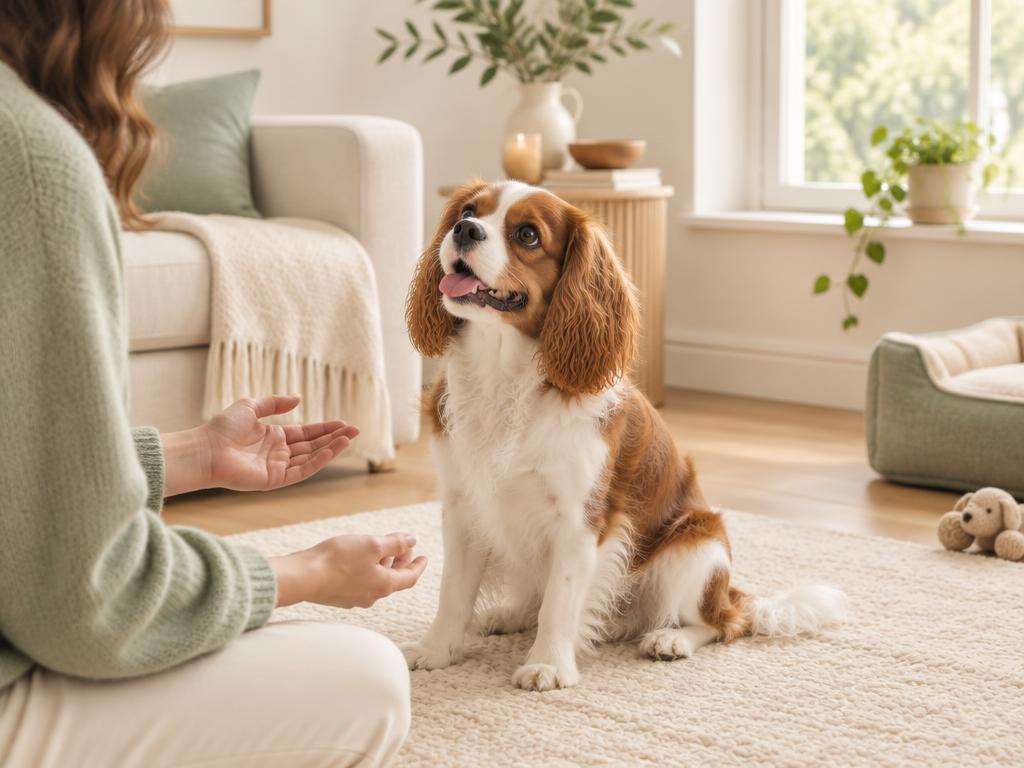
No single signal has one guaranteed meaning. Always read the whole dog — face, ears, tail, body and what's happening around them.

Body language library

Relaxed body posture

What you may see
Soft, loose muscles; mouth slightly open; weight evenly balanced.
What it can mean
Often comfort and ease in the moment.
What to watch for
Sudden stiffening or closing of the mouth can signal a shift in mood.

Play bow

What you may see
Front end lowered, rear end up, often with a bouncy look.
What it can mean
Usually an invitation to play, or a way to say 'this is still play' mid-game.
What to watch for
Make sure the other dog is answering with play signals too.

Loose wagging tail

What you may see
A wide, wiggly wag, sometimes moving the whole back end.
What it can mean
Often friendly, social interest.
What to watch for
A wag alone does not mean happy — a high, stiff, fast wag can mean arousal.

Stiff body posture

What you may see
Tense muscles, weight leaning forward or very still.
What it can mean
Can mean focus, uncertainty or rising tension.
What to watch for
Calmly create distance and give the dog space.

Whale eye

What you may see
The whites of the eyes show while the head is turned slightly away.
What it can mean
Often discomfort or worry, especially when guarding or being hugged.
What to watch for
Stop the interaction and let the dog move away.

Lip licking

What you may see
A quick flick of the tongue when no food is around.
What it can mean
Can be a calming or appeasement signal during mild stress.
What to watch for
Notice what just happened — a new person, a loud sound, a reach overhead.

Yawning

What you may see
A yawn outside of tiredness, often during handling or new situations.
What it can mean
May reflect mild stress or conflict, though dogs also yawn when sleepy.
What to watch for
Look at the setting and the other signals together.

Panting

What you may see
Open mouth breathing.
What it can mean
Cooling down after activity or heat — or sometimes stress.
What to watch for
Panting in a cool, calm setting with a tight mouth is worth noticing.

Pacing

What you may see
Walking back and forth, unable to settle.
What it can mean
Restlessness, anticipation, stress or discomfort.
What to watch for
If it's frequent or new, check in with your veterinarian.

Avoidance

What you may see
Moving away, turning the body, sniffing elsewhere.
What it can mean
A polite way of saying 'not right now.'
What to watch for
Respect it — avoidance ignored can escalate.

Tucked tail

What you may see
Tail held low or tucked between the legs.
What it can mean
Often fear, worry or uncertainty.
What to watch for
Lower the pressure: less noise, more space, a quiet spot.

Raised hackles

What you may see
Fur standing up along the shoulders or back.
What it can mean
Heightened arousal — excitement, surprise, or fear. Not automatically aggression.
What to watch for
Watch the rest of the body and calmly pause the activity.

Freezing

What you may see
Sudden stillness, sometimes mid-movement.
What it can mean
The dog is deciding what to do next; can come before a bigger reaction.
What to watch for
Pause and give space right away.

Barking

What you may see
Vocalizing with different pitches and rhythms.
What it can mean
Alerting, excitement, play, frustration, or asking for something.
What to watch for
Notice the trigger and the rest of the body.

Growling

What you may see
A low rumble, sometimes during play.
What it can mean
A clear, valuable warning — or a play noise when the body is loose and bouncy.
What to watch for
Never punish a warning growl; it's important communication.

Paw lifting

What you may see
One front paw held up.
What it can mean
Focus, anticipation or mild uncertainty.
What to watch for
Read the face and posture to tell which.

Shaking off

What you may see
A whole-body shake when the dog isn't wet.
What it can mean
Often a 'reset' after excitement or mild stress.
What to watch for
A nice sign the dog is moving on.

Rolling over

What you may see
Lying on the back.
What it can mean
Can be relaxation, play, or appeasement.
What to watch for
Not every roll is a request for a belly rub.

Belly exposure

What you may see
Belly shown while lying down.
What it can mean
Comfort and trust — or a request for space during a tense moment.
What to watch for
Look for a loose, wiggly body before petting.

Sniffing the ground

What you may see
Nose down, investigating.
What it can mean
Gathering information — or a calming 'pause' during social tension.
What to watch for
Sniffing is enriching; allow time for it.

Turning the head away

What you may see
Looking away from a person or dog.
What it can mean
A polite signal to slow down.
What to watch for
Give the dog a moment.

Hiding

What you may see
Going under furniture or behind a person.
What it can mean
Seeking safety.
What to watch for
Let them come out on their own time.

Hyperarousal

What you may see
Frantic movement, jumping, mouthing, unable to listen.
What it can mean
Over-stimulation — too much, too fast.
What to watch for
A calm break and quiet rest usually helps.

Calm engagement

What you may see
Soft eyes, relaxed body, checking in.
What it can mean
Comfortable, connected and ready to interact.
What to watch for
The state we aim for at daycare.

Sources & further reading

Daphne's Doggy Daycare provides this information for general educational purposes only. It is not intended to diagnose, treat, cure, or prevent any medical or behavioral condition. Always consult your veterinarian or qualified veterinary professional regarding concerns about your dog.

Next topicDog Behavior Explained →

A home away from — home

Schedule a relaxed, no-obligation visit at Lenora Park in Snellville, Georgia on Tuesdays and Wednesdays, 12:00 PM – 3:00 PM. We'll talk through your dog's routine and make sure Daphne's loving home is the right fit.

Book NowCheck Dates